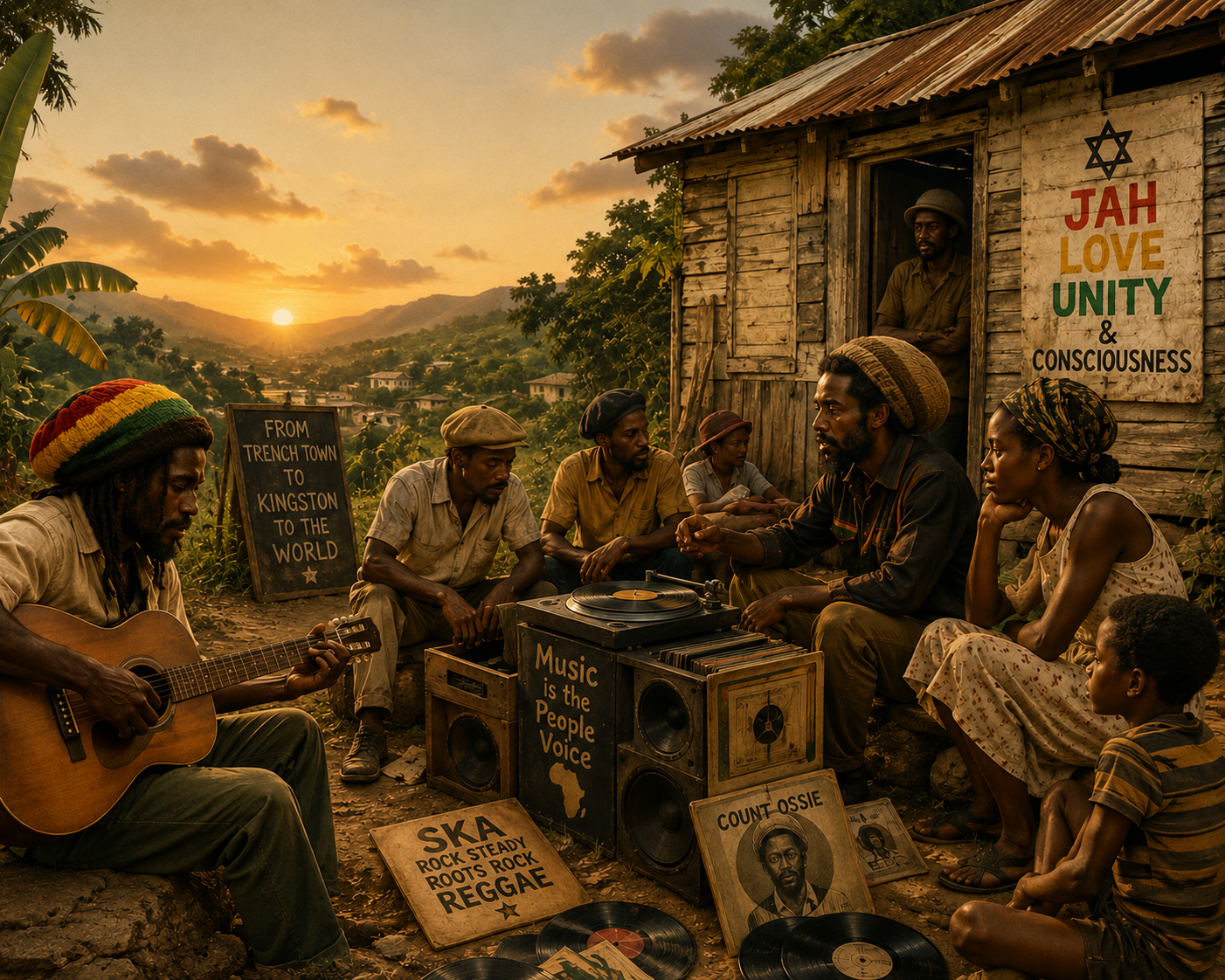
Roots of Reggae: Tracing the Origins & Early Influences
Rastyle Editorial
culture Writer · 6/21/2026
The Jamaican Backdrop: Understanding the Roots of Reggae
If you want to truly grasp the roots of reggae, start by picturing Jamaica in the 1960s—an island finally breaking the chains of British colonialism after centuries. Independence came in 1962, but liberation didn’t instantly erase struggle. What lingered were deep scars of social inequality, stubborn poverty, and a people searching for a new, unified identity.
In the labyrinthine streets of Kingston, hope and unrest collided on every corner. It was here, against a backdrop pulsing with raw emotion and ambition, that reggae found its voice—a sound forged from resilience, unrest, and a fierce desire for change.
Advertisement
Musical Foundations: The Core of the Roots of Reggae
Of course, reggae didn’t just spring out of thin air. The roots of reggae run through several earlier genres, each laying groundwork beneath what we now recognize as reggae’s heartbeat. Let’s journey through these predecessors—because honestly, you can’t groove to reggae without tipping your hat to the sounds that paved the way.
Mento: Where It All Began
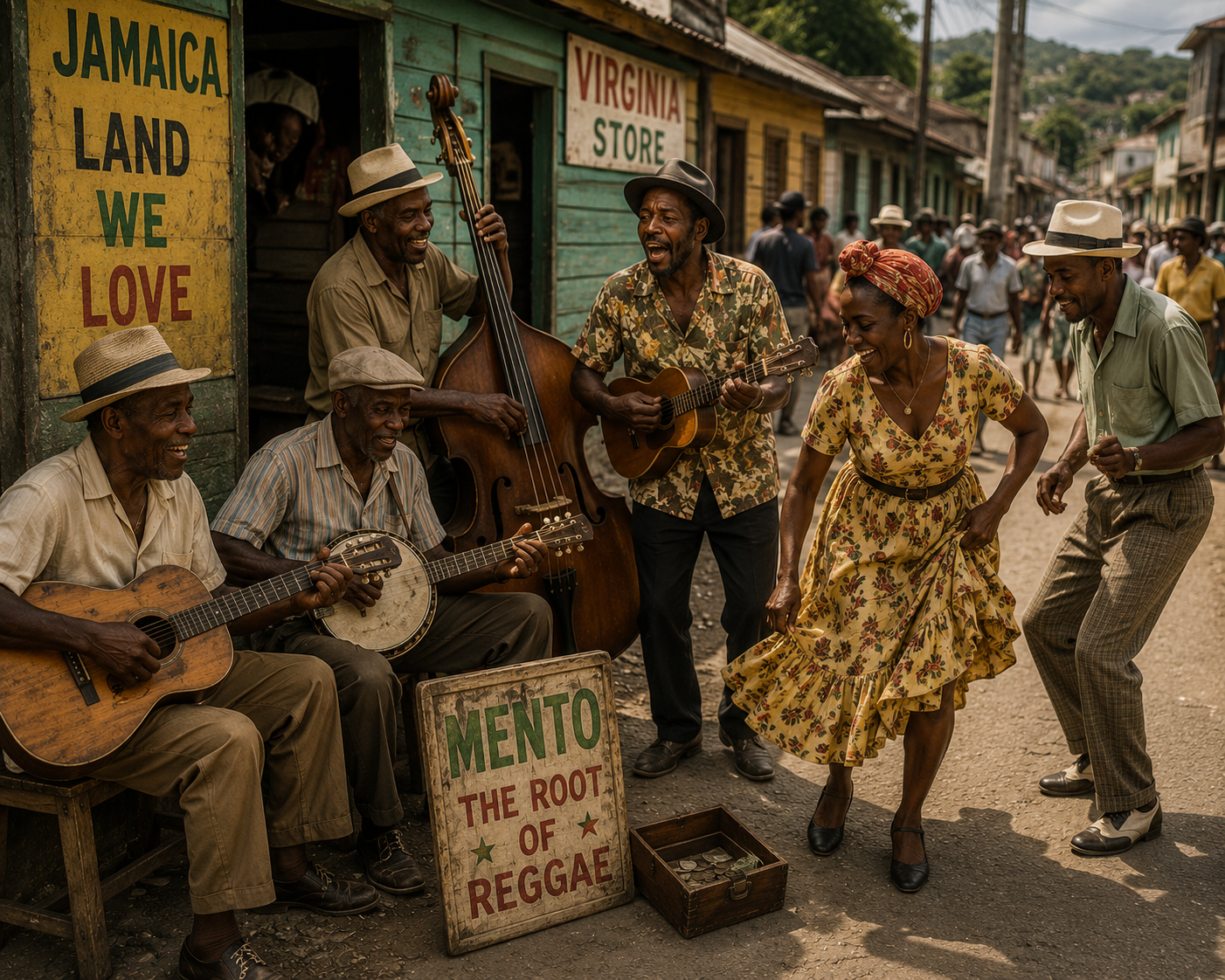
Before ska and rocksteady, there was mento—Jamaica’s vibrant folk music. Born from a blend of African rhythms and British influences, mento thrived with banjos, acoustic guitars, and lively hand drums. The lyrics? Sharp, funny, and smart, often capturing everyday Jamaican stories with a twist. That storytelling spirit left an indelible mark on reggae’s message-driven style.
Ska: The Island’s Soundtrack of Optimism
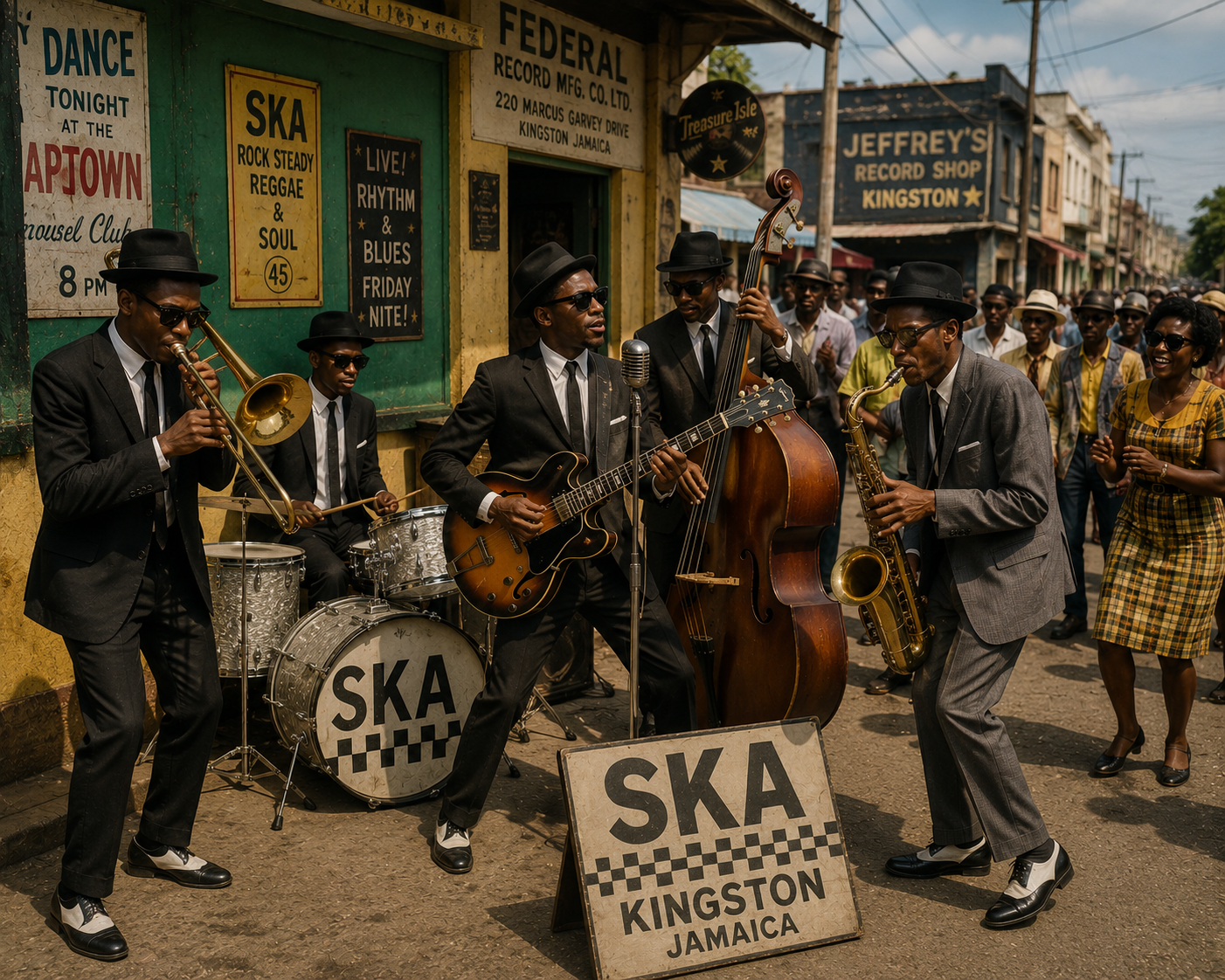
Next up: ska. In the late 1950s, ska exploded onto the scene, delivering bouncy rhythms, swinging basslines, and joyful brass melodies. Drawing inspiration from American jazz and R&B, ska became the dance soundtrack of newly independent Jamaica. Its signature “skank” guitar offbeat made its way straight into reggae’s DNA.
Rocksteady: Smoothing Out the Vibes
Come 1966, rocksteady took the spotlight. The tempo slowed, harmonies became smoother, and the bassline thickened—setting a mellow mood that would later define reggae grooves. Rocksteady was all about love, community, and resistance; it helped shape reggae’s soulful core and gave early legends their first big break.
Advertisement
Rastafari Culture: Spiritual Roots of Reggae
Dig a little deeper into the roots of reggae and you’ll uncover influences that go beyond music. The Rastafari movement was—and still is—a guiding force. Inspired by the philosophies of Marcus Garvey and the crowning of Haile Selassie I in Ethiopia, Rastafari offered hope and direction to Jamaica’s marginalized.
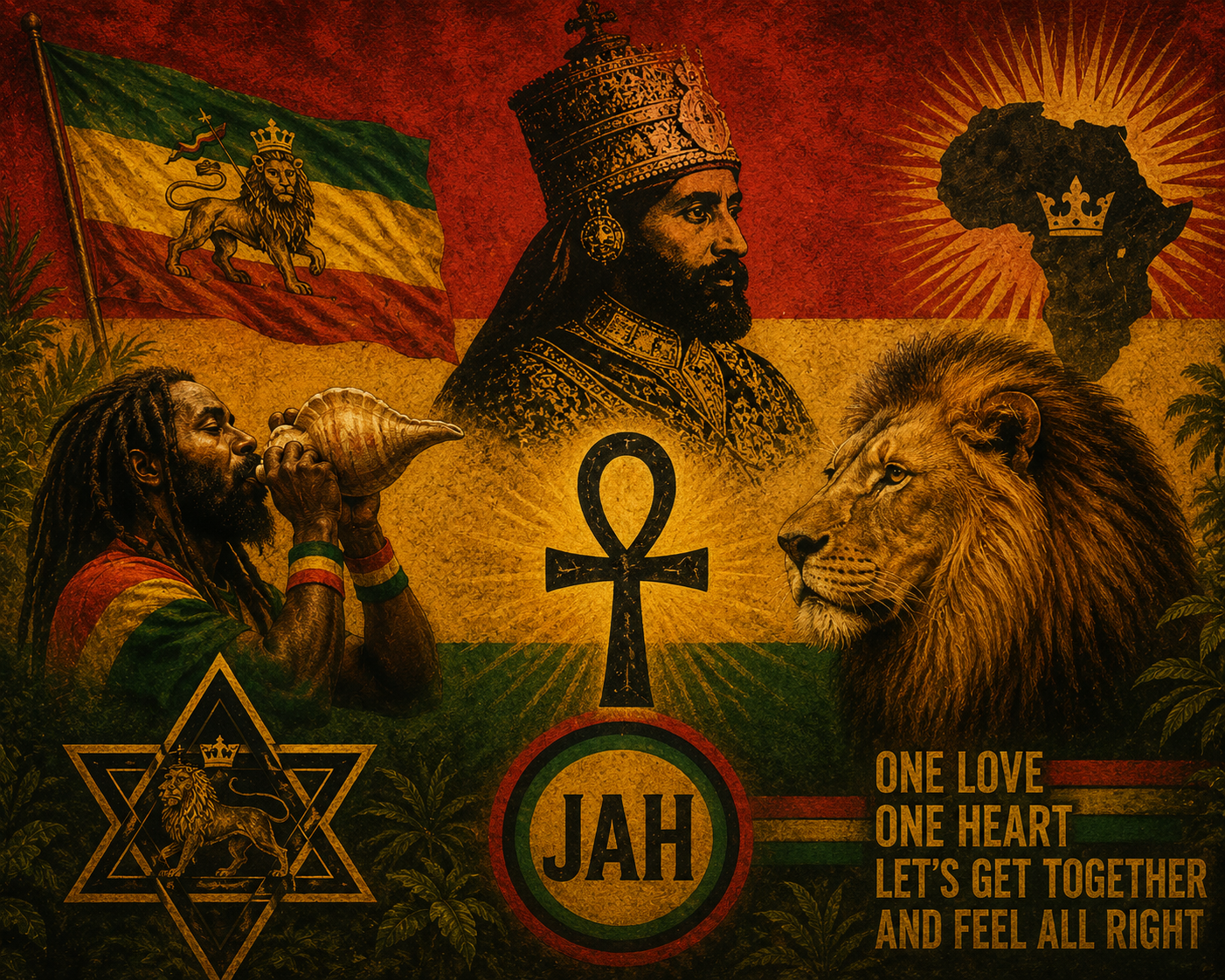
Rastafari ideology brought reggae themes of spirituality, African pride, justice, and resilience. Dreadlocks, red-gold-green colors, and the Lion of Judah became reggae icons, visually linking faith and music in a way that’s impossible to miss.
“Reggae is not just music. It is the people’s voice, the living message of Rastafari and the struggles of the poor.” — Burning Spear
Advertisement
Advertisement
Pioneers Who Shaped the Roots of Reggae
Honestly, none of this history matters unless we spotlight the visionaries who carried reggae from Jamaican streets to the world. Icons like Bob Marley, Peter Tosh, Bunny Wailer, Jimmy Cliff, and Toots Hibbert made reggae a global movement—always using their art as a megaphone for truth.
Producers were mad scientists in the studio. Lee “Scratch” Perry, King Tubby, and Clement “Coxsone” Dodd turned mixing desks into playgrounds for sonic innovation, birthing techniques like dubbing that still influence music worldwide.
Bob Marley & The Wailers: The heartbeat of reggae’s global spread, with songs that’ll never die
Lee “Scratch” Perry: A studio wizard who sculpted entire soundscapes
Toots & The Maytals: Helped invent the word “reggae” and took it international
Advertisement
Advertisement
The Message Behind the Roots of Reggae: Justice and Unity
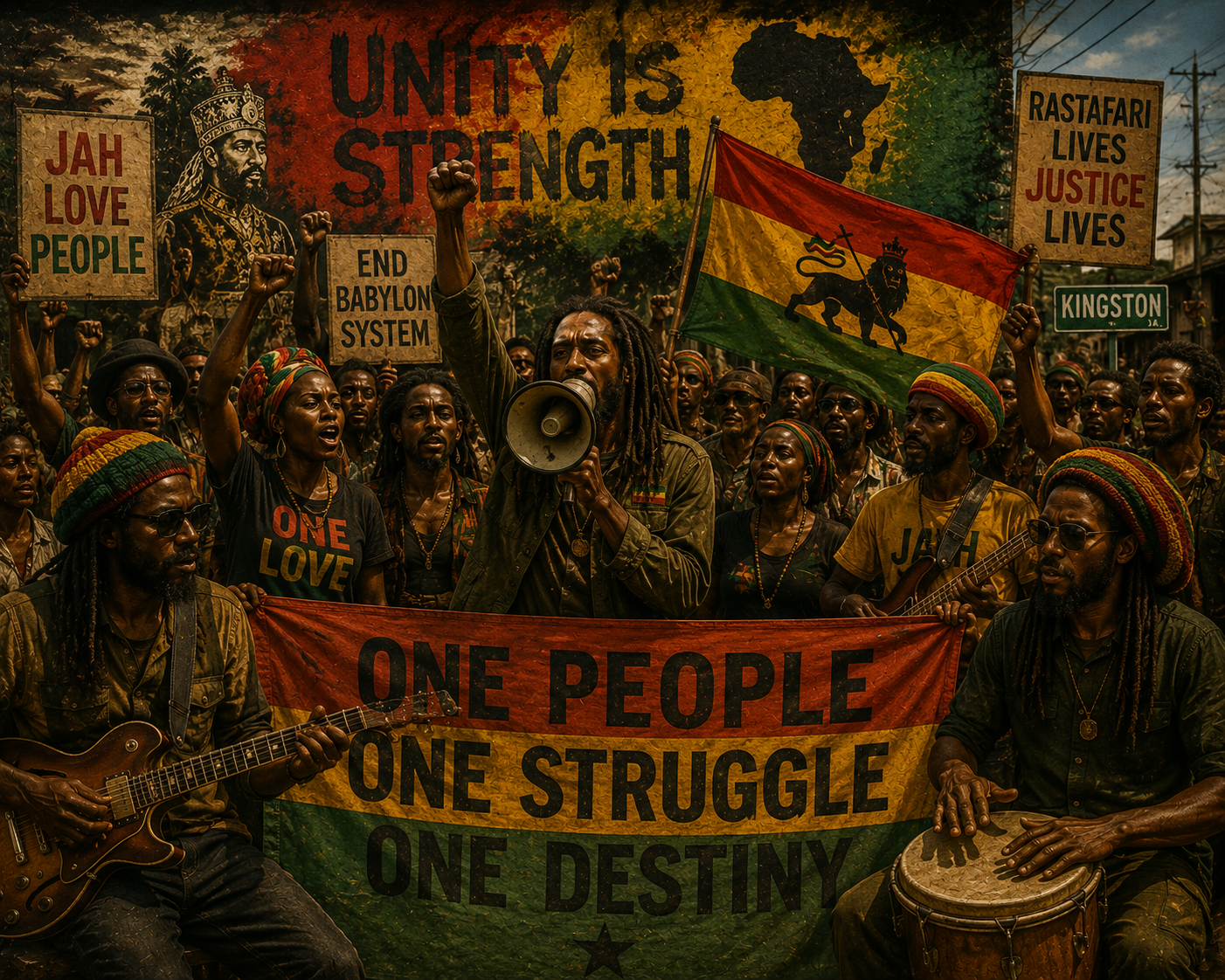
At its essence, the roots of reggae aren’t just about rhythm—they’re about revolution. Reggae became an outlet to confront poverty, speak on injustice, and cry for equality. Think tracks like “Get Up, Stand Up” or “Equal Rights.” These weren’t just songs; they were anthems that sparked movements and hope across continents.
As a result, reggae’s lyrics preserve cultural memory, blending calls for spiritual awakening with tangible demands for social change. That’s why reggae still speaks to anyone fighting for justice, unity, and love today.
Advertisement
Roots of Reggae: The Enduring Legacy and Worldwide Reach
The roots of reggae stretch far beyond Jamaica—seriously, just look around. Modern genres like hip hop, pop, Afrobeat, and EDM owe a debt to reggae’s groovy backbone. Its fearless voice continues to shape how artists, activists, and communities express themselves.
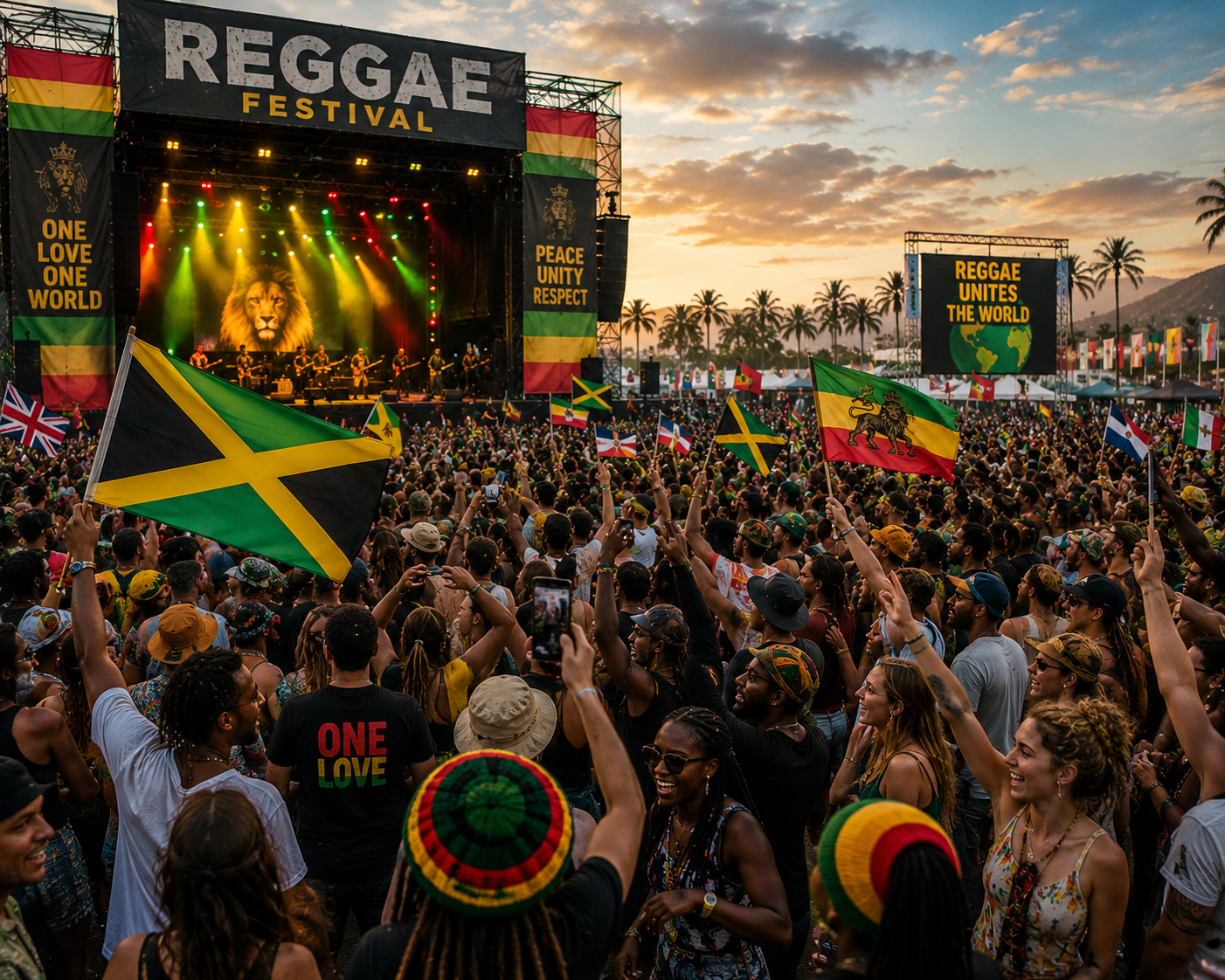
Meanwhile, reggae festivals, legendary sound system battles, and thriving online communities connect fans from Kingston to Lagos, London, Tokyo, and beyond. New-school artists blend reggae consciousness with digital flair, proving the roots are alive and ever-evolving.
Equality and justice messages drive protest songs worldwide
Dub innovations influenced today’s electronic music culture
Rastafari’s holistic ethos inspires new generations toward unity and ethical living
Advertisement
Conclusion: The Living Roots, Always Growing
Exploring the roots of reggae means more than digging into music history. It’s a journey into Jamaica’s soul—and into the heart of social change worldwide. From post-colonial streets and cultural crossroads to the soundsystems of the future, reggae’s roots ground us in hope, activism, and joy.
Reggae’s deep roots still feed the world. Artists and communities everywhere return to these foundations, proving reggae is, and always will be, a force for change, connection, and love. If you want to feel the roots of reggae for yourself, just press play—its spirit is always ready to move you.
Advertisement
Advertisement
Related Articles
All News

More Mixes
View All
DJ PATIZ & MC D MAJAIL - NAKURU REGGAE MADNESS
Deejay Patiz
Drill Mix (GRM) - DJ Marv
Deejay Marv

ULTIMATE EXPIRIENCE ALUTA REGGEA MIX MICHAEL DEEJAY VOL 7(LIPUA JABA EDITION )
MICHAEL DEEJAY

DJ PATIZ x UNDERCOVER MC - DEGE DEGE MIX pt2
deejaypatiz
!!!! MAHURU HITS VOL 3(BEST OF GENGETONE & GHETTO ANTHEMS) DJ DANCHE_254{EASTLAND KINGS DJZ} 2021 (BEST OF GENGETONE & GHETTO ANTHEMS) MBOGI GENJE ETHIC BOONDOCKS MEJJA OTILE BROWN
Eastland Kingz Empire

DJ BERRY BLAX- FREE SET 3
Berry Blax
Advertisement